


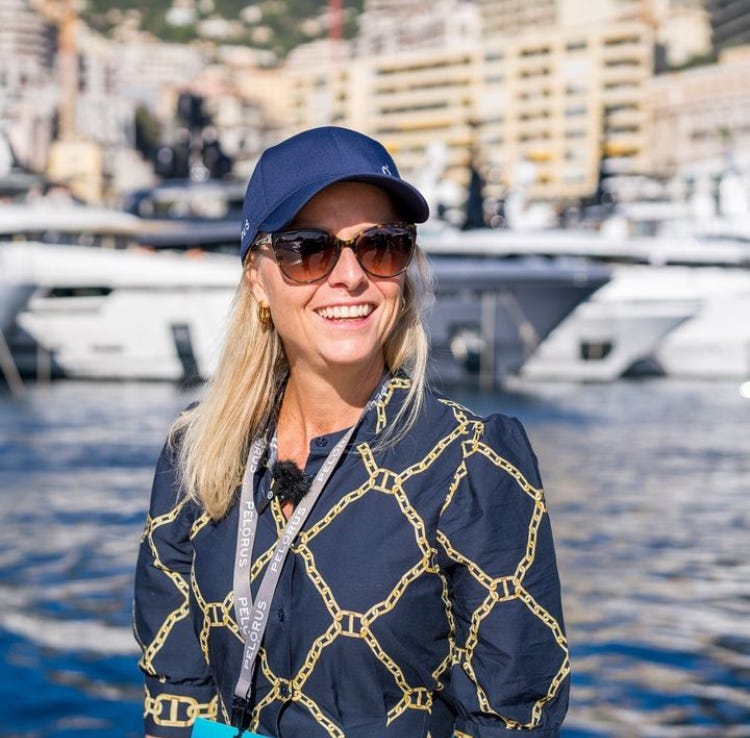
This issue is written by Gayle Patterson, Director of Yachting at Pelorus.
Rising fuel costs are rarely seen as good news. Yet I believe they may be quietly accelerating one of the most positive changes the yachting industry has seen in years.
Many clients have traditionally gravitated towards all-inclusive yacht charters because they remove much of the guesswork from the final cost. Unlike the more common charter model, where guests pay a charter fee plus an Advance Provisioning Allowance (APA) to cover fuel, food, drinks, and operating expenses, an all-inclusive yacht charter allows them to understand what they are paying before they step onboard.
For years, this model has been particularly common in destinations such as Indonesia, the Galápagos and the Caribbean, where all-inclusive pricing formed part of the appeal. Over the past two years, however, that certainty has become harder to maintain.
Working closely with yacht owners, captains and industry partners across the globe, I have seen first-hand how rising fuel costs are affecting charter operations. Several yacht owners in Indonesia have shared with me that fuel prices have nearly doubled during this period, and while fuel has always been a significant operational expense, the scale and speed of these increases have created new pressures across the charter industry.
As a result, fuel surcharges, cruising limitations, and increases to all-inclusive charter rates are becoming increasingly common, as owners look for ways to manage costs that have become both higher and harder to predict.
While this may initially appear to be a straightforward pricing story, it points to a more interesting shift. As fuel becomes more expensive and less predictable, the yachts designed to consume less of it are gaining an advantage that extends well beyond sustainability. They are increasingly better placed to offer the certainty, flexibility, and simplicity that some charter guests value most.
Why Some Yachts Are Feeling the Pressure More Than Others
The impact of rising yacht fuel costs is not being felt evenly across the industry, and the differences between vessels are becoming more apparent.
Motor yachts tend to be particularly exposed because of their higher fuel consumption. Yacht type, engine efficiency, cruising speed and distance all influence how significantly rising fuel prices affect operating costs.
Indonesia offers an interesting contrast. Many of the region’s traditional phinisi yachts consume less than 100 litres of fuel per hour, making them considerably less vulnerable to fuel price fluctuations than larger motor yachts. Perhaps even more interesting, is that many owners continue to absorb these increased costs rather than passing them directly to clients.
This is partly driven by competition. The luxury charter fleet in Indonesia has grown dramatically over the past decade, with the number of high-end vessels roughly tripling. In such a competitive market, maintaining attractive all-inclusive pricing remains a powerful differentiator. Indonesia therefore continues to offer strong value compared with many luxury charter destinations, despite the inflationary pressures operators are managing behind the scenes.
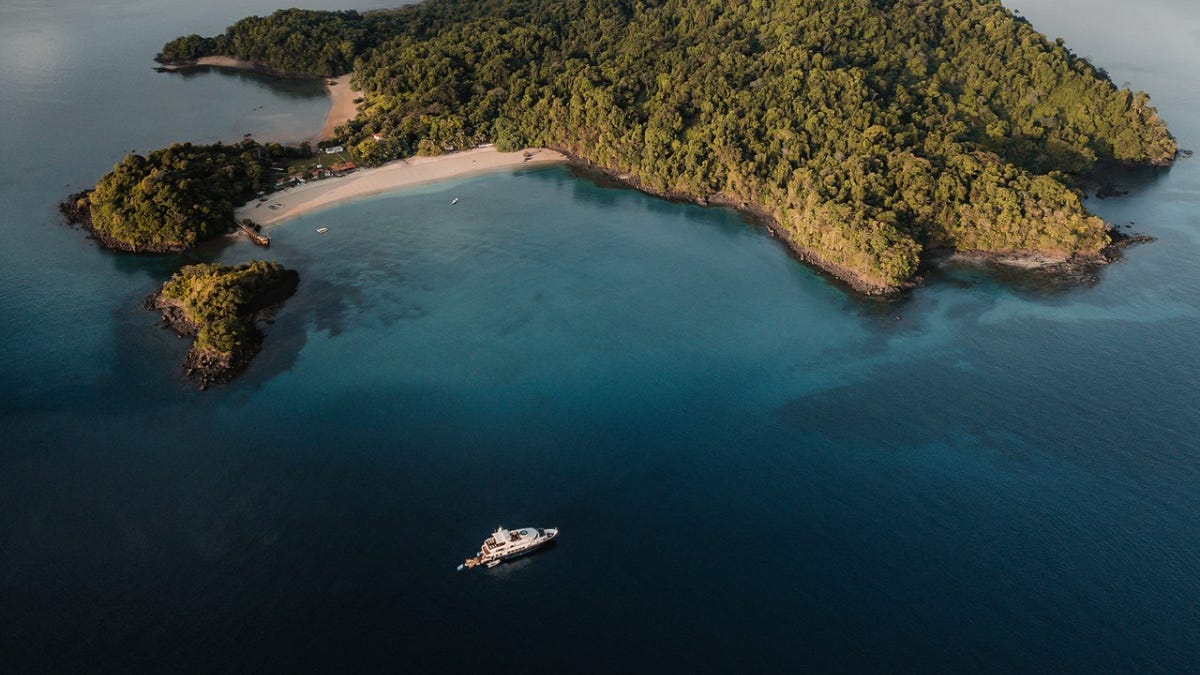
A similar dynamic can be seen in Costa Rica, where shorter cruising distances mean fuel represents a smaller proportion of operating costs. For all-inclusive yachts such as KONTIKI WAYRA, rising fuel prices have therefore not yet translated into meaningful changes for charter clients.
Taken together, these examples highlight how rising fuel costs are not affecting every destination, vessel, or charter model in the same way, and for clients, understanding those differences is becoming increasingly valuable.
What Yacht Fuel Costs Tell Us About the Future of Chartering
Rather than focusing solely on whether fuel prices will continue to fluctuate, it is worth looking at how the industry is adapting in response.
Recent events in the Middle East have once again highlighted how quickly energy markets can shift. Whether fuel prices eventually return to previous levels or elevated operating costs become the new normal remains uncertain. In either case, Owners are increasingly looking for ways to reduce their exposure to fuel volatility, and this is where the conversation begins to move beyond pricing and into design.
At this year’s Monaco Yacht Show, the newest launches and largest yachts always gain the most attention. Yet looking closer at this year’s line up, hybrid propulsion, advanced energy management, alternative fuels and more efficient hull design are becoming defining features of the next generation of yachts. While often framed as sustainability initiatives, they also reflect a commercial response from owners shipyards to the realities of rising operating costs and increasingly unpredictable global fuel markets.
Over the past few years, a new generation of charter yachts has emerged, designed around efficiency rather than simply scale, with vessels such as CAPTAIN ARCTIC, BREAKTHROUGH, POLARFRONT and Silent Yachts incorporating hybrid propulsion systems, alternative fuels and increasingly sophisticated onboard energy management.
Why Sustainable Yachting Is Becoming a Better Luxury Experience
For years, sustainability in luxury travel was often discussed as a compromise. In yachting, the opposite is increasingly true. Vessels that use less fuel can offer greater range, more predictable costs, fewer logistical constraints yet the same level of comfort, amenities and luxury experience for guests.
Modern expedition vessels are designed to maximise comfort, range, and efficiency allowing guests to access the world’s most remote destinations. They provide the perfect platform for exploration combining long range and self-sufficient capabilities with exceptional comfort and amenities with fuel-efficient performance.
POLARFRONT, for example, uses a hybrid propulsion system that reduces fuel consumption and emissions by more than 40% compared to traditional alternatives, which is significant not only from an environmental perspective, particularly in fragile ecosystems, but also from an operational one.
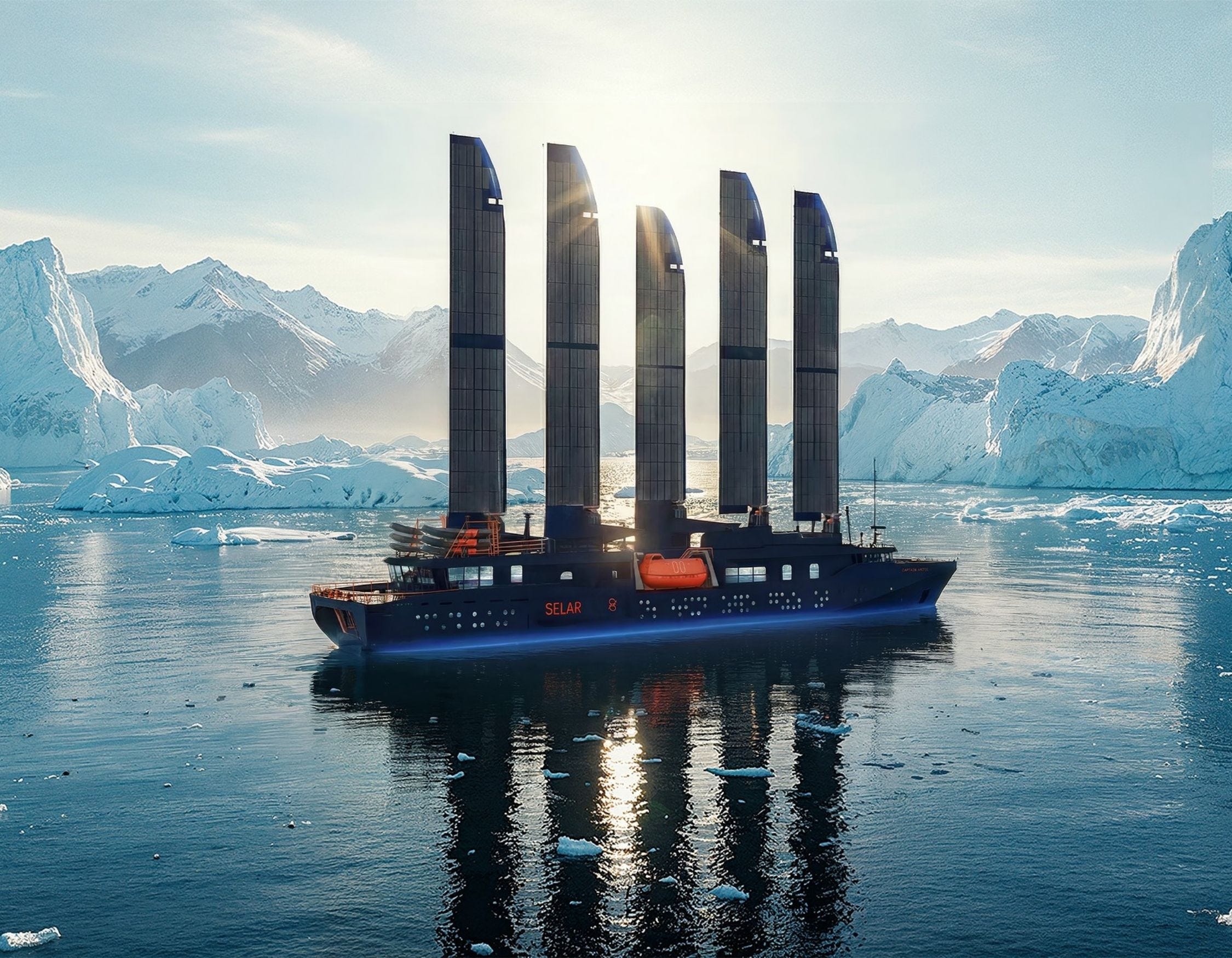
CAPTAIN ARCTIC uses five solar sails to run on renewable energy 90% of the time delivering a close to zero CO2 emissions cruising experience. Vibration free and silent cruising, she offers exceptional comfort while minimizing disturbance to marine wildlife.
Greater efficiency brings fewer logistical constraints, greater flexibility, and less exposure to the unpredictability of fuel markets, which is increasingly important for clients.
For a growing number of charterers, particularly those exploring remote environments, this combination is becoming more appealing, as they are looking for extraordinary access alongside the reassurance that their travel choices are thoughtful, responsible, and designed with the long term in mind.
The New Definition of Value in Luxury Yachting
Conversations about rising fuel prices tend to centre on cost. More interestingly, those pressures are also reshaping the meaning of value in yachting. The yachts best positioned for the future may not necessarily be the largest or fastest, but rather those designed to operate more intelligently, delivering the same level of exploration, comfort, and access while reducing both environmental impact and operational uncertainty.
For charterers, this means that sustainable yachting is no longer simply a question of conscience, but a real consideration offering greater transparency, more predictable operating costs and the confidence that their charter experience can be delivered responsibly. These qualities are becoming just as valuable as the destinations themselves.
Perhaps the biggest irony is that rising fuel costs may end up accelerating the transition to more sustainable yachting faster than any environmental policy ever could.
Next issue: Gwen Nicol, Director of Sales at Pelorus, explores how meaningful travel can nurture curiosity, confidence and a deeper understanding of the world in the next generation.
About the Author
Gayle Patterson is Director of Yachting at Pelorus, where she oversees charter strategy and works closely with yacht owners, captains, and industry partners across the global fleet. With more than a decade of experience in charter brokerage and management, she has first-hand insight into the commercial, operational, and environmental forces shaping the future of yachting. Based in Monaco, Gayle regularly explores remote cruising destinations and is a passionate advocate for sustainability and marine conservation. Read more about Gayle and the Pelorus team.